
- Jaipur At A Glance
- How To Reach
- Where to stay in Jaipur
- Top experiences of Jaipur
- Typical Jaipur Itinerary
Jaipur At A Glance
Jaipur is not only about old world charms but it is a modern city in every aspect. Wide open roads decorated with picturesque statues and tree-lined avenues testifying the transition the city has made to fit into the modern stencil, while still upholding its heritage.
This beautiful city will find its way to your heart and make you eager to come back whenever you can.
How To Reach
By Train:
Jaipur Station (JP) is well connected to all major cities of India by train. If you are not able to find direct trains then make stop over in New Delhi, as from New Delhi there are multiple trains coming to Jaipur throughout the day. A typical train ride takes around 5 hours from New Delhi to Jaipur.
By Road:
Jaipur is located approximately 260 KM(160 miles) southwest of Delhi. Travel time by road is about four hours. Bus services are available to and from many destinations.
By Flight:
Jaipur Airport is also well connected to the rest of India, where flights from New Delhi, Mumbai, Kolkata are frequent.
Where to stay in Jaipur
Best area to stay in Jaipur is near Bani Park or MI Road. There are lots of hotels and lodges in these areas. The market is nearby and a lot of restaurants are also present in that area. Try to book one in advance either by directly calling the hotel or through Make my trip.
Top experiences of Jaipur
Visit the mighty Amber Fort
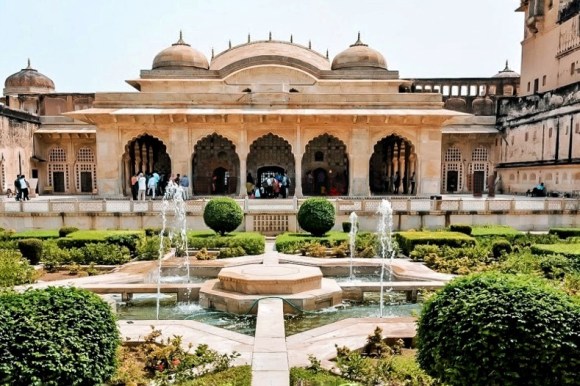
Amber fort is located high on a hill, and is known for its artistic style, blending both Mughal and Rajput elements. With its large ramparts, series of gates and cobbled paths, the fort overlooks the Maota Lake, at its forefront.
Amber Fort is open every day from 8:00 until 17:30 and the entrance fee is Rs 200. It lies 12 km to the north of Jaipur and a single taxi fare will cost Rs200-250. Jaipur has good coverage of taxi aggregators like Ola and Uber, so one can book those as well. Alternatively, you can book a car for full day and club a few places together. Usually people club Hawa Mahal, Amber Fort and Jal Mahal on the same day.
Hawa Mahal

Hawa Mahal is a five storey monument, with a larger than life facade as it’s front. Multiple windows decorated with intricate latticework, designed in a unique honeycomb shape, give a district look to this amazing building.
The palace was built using red and pink sandstone, and it’s architecture is a lovely fusion of Rajputana and Mughal style. It’s called hawa Mahal as the windows are designed in a way that allows cool breeze to flow inside, while nothing from the inside is visible to the outside.
The palace is connected to the City Palace of Jaipur, from where the royal ladies used to come here in palanquin or carriages to view festivities that happen on the roads of Jaipur. From here they could see the fes
The insides of the palace is however very simplistic with minimal carvings and are mostly plain and simple walls. The stairways are narrow, and dark in some places, hence anyone with claustrophobia should think before embarking upon this ascend.
City Palace
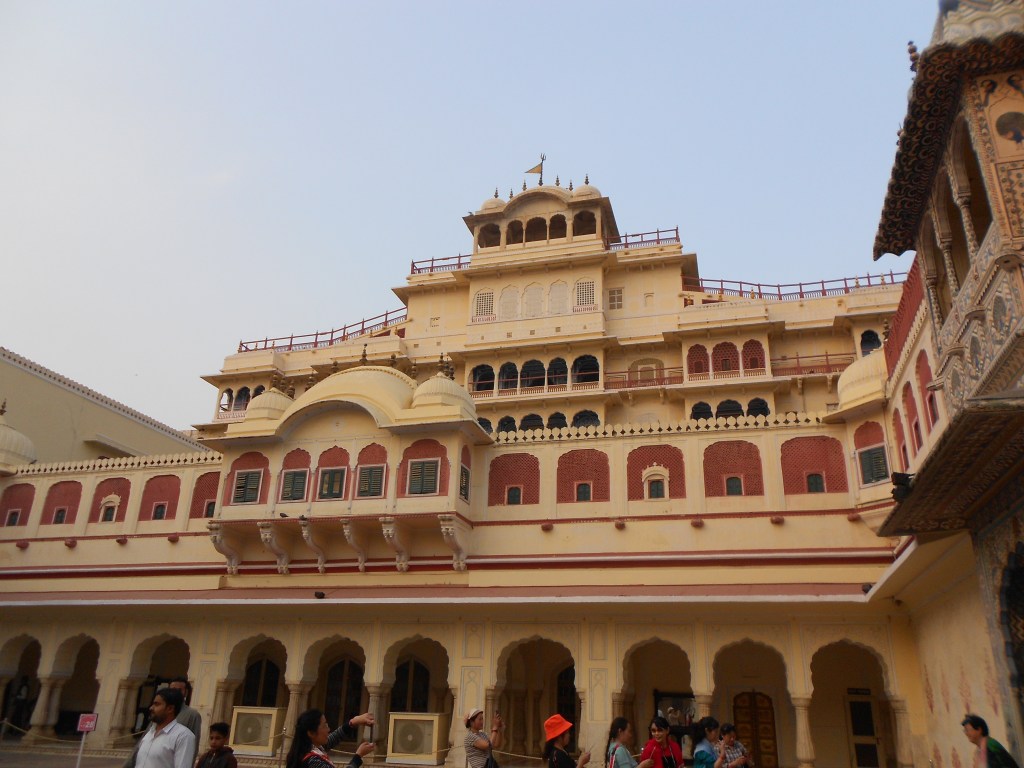
City Palace is a remarkable example of the combination of Mughal and Rajput architecture. Remnants of European architecture can also be found. Entry to city palace is quite affordable and remarkable as well. Entry ticket costs Rs 100 for Indians and Rs 500 for foreigners.
Being a more recent addition to Jaipur’s rich heritage, the City Palace still serves as a residence for the Jaipur Royals. Some of the most sought after attractions within the City Palace are Pitam Niwas Chowk, Sarvato Bhadra, Sabha Niwas and Mubarak Mahal.
Jantar Mantar, the astronomical observatory is also a part of the City Palace complex. City Palace is a not-to-be-missed palace in the Jaipur Travel Guide and a major landmark of Jaipur with a rich historical heritage.
Jal Mahal
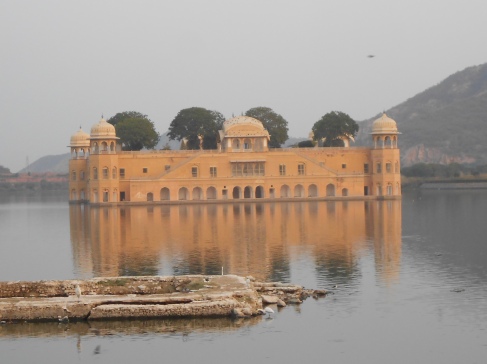
Jal Mahal is off limits to tourists, you cannot go inside the palace. You can’t even go near that structure. You have to satisfy yourself by standing on the banks of the lake and watching the Palace. there is a small park that has come up on the bank of the lake where you can stay for a few minutes and marvel at the palace. The park is just besides the road so no need to walk. The place falls on route to Amber Palace, so you can club both places together.
Jaigarh Fort

Jaigarh Fort a.k.a ‘Fort of Victory’, is located on a rocky plain of the Aravalli range. Huge imposing walls and watchtowers guards Jaigarh Fort. The architectural layout of this fort is quite similar to Amber Fort and it was constructed to tighten the security of the royal families. There exists some tunnels between the Amber Fort and Jaigarh fort, which is believed to be used when retreating to safety during attacks on either of the forts.
This fort has also served as one of the major cannon foundries to the Rajput and the Mughal kings. Availability of iron ore around this fort made it a major destination to produce arms and ammunition.
This fort now houses a museum, which highlights some of the primary cannons and other weapons used by the kings. Jaivana Cannon, the world’s largest cannon on wheels was manufactured in the foundries of this fort. The cannon is now on display in the museum.
Nahargarh Fort
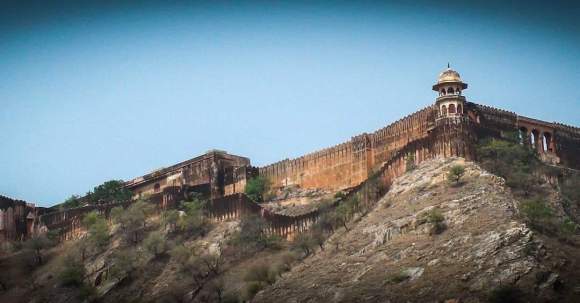
Built in 1734 by Maharaja Sawai Jai Singh II, the founder of Jaipur, this fort was then known as Sudarshagarh Fort. The primary reason for this fort was to use it for recreational purposes and to provide additional defence to Ambar which was the king’s abode.
The word Nahar means tiger, and Nahargarh translates to Abode of Tigers. Indeed the Rajputs were tigers and the fort was very aptly renamed.
There are multiple awe-inspiring places within the fort walls, including Madhaavendra Bhawan, which was the summer residence of the Royal Family and two temples. The main attraction of this fort however is the panoramic view of Jaipur city that it provides.
Have a Rajasthani Thali at LMB
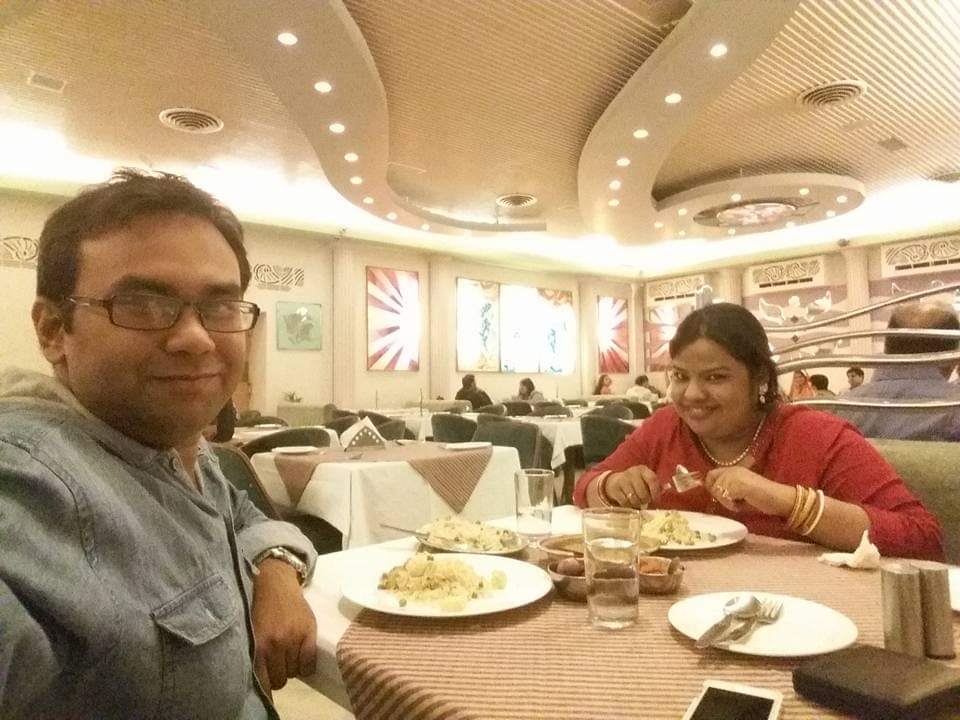
LMB is the shortened name for Lakshmi Misthan Bhandar, which is a 200 years old sweet shop, that has transitioned into a restaurant. Situated at the Johari Bazar off the Badi Chaupad in the walled city, this shop is mostly known for the Paneer Ghewar, which is a concoction of cottage cheese, ghee, checkpea floor and Sugar.
LMB also specialises in the authentic Rajasthani Thaali, which contains Dal Bhaati Churma, Gatte Ki Kadhi, Ker Sangri and Bajre Ki Roti.
Kachori of Rawat’s
Kachoris are a delicacy in Jaipur and Rawat Misthan Bhandar is the place which is credited to have come up with their recipe is Pyaj Kachori, which is why a stop at Rawat’s is a must in one’s visit to Jaipur.
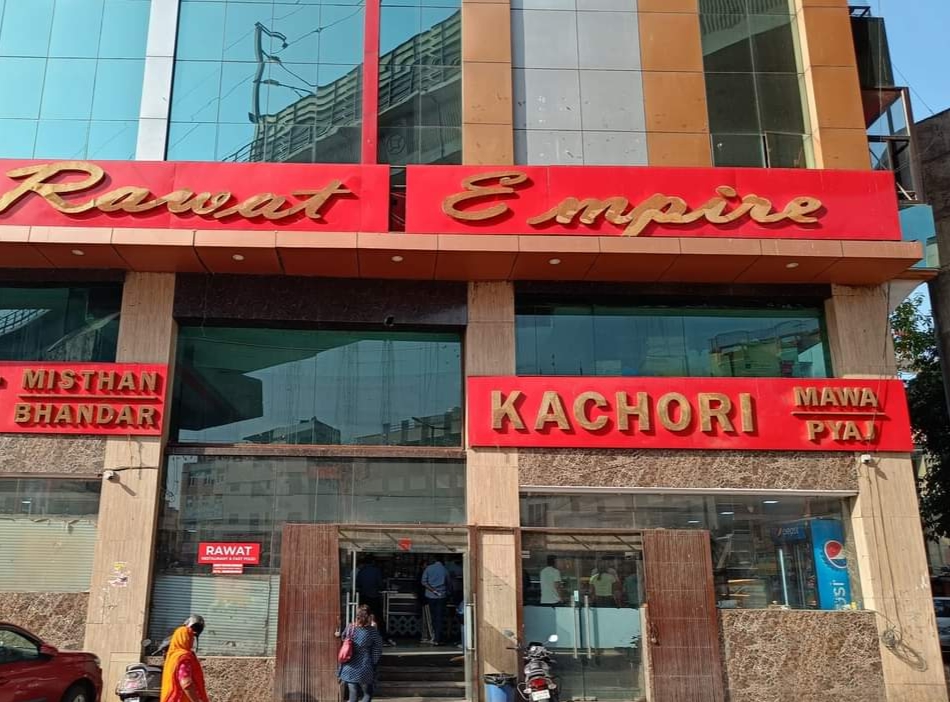

Located in the heart of Jaipur, Rawat Misthan Bhandar is also a place where one can try the variety of sweets, like the traditional Ghewar. While being there you must pack a few Mawa Kachoris for your folks back home, as these stay fresh for 2 to 3 days without refrigeration.
Typical Jaipur Itinerary
If you can speed up your tour you can actually complete a Jaipur tour in under 3 days, howvever you will have to book a car for this. If you are going to rely on the public transport this is going to extend one extra day.
Day-1 :
Typically one arrives in the afternoon in Jaipur, in which case you have the option of visiting Laxminarayan Temple (Birla Mandir) and Chokhi Dhani – An Ethnic Village Resort.).
Day-2
Start a full day sightseeing tour starting with a photo stop at Jal mahal, followed by Amber fort. Take a 2 hour tour of Amber fort and move to Jaigarh fort which is nearby. Jaigarh fort tour typically would take 1.5 hours to complete. Take lunch once you leave Jaigarh and proceed to Nahargarh fort. Its a bit far and thus takes some travel time. Spend a couple of hours in Nahargarh and come to Jaipur city and take rest.
Alternatively you can stop at Amber fort while returning from Nahargarh to enjoy the light and sound show if time and energy permits.
Day-3
Visit the city palace and Jantar Mantar. Visit the famed Hawa Mahal and climb to the top level to get the best view of the city. In the evening, visit LMB (a 300+ year old restaurant) to dine an authentic Rajasthani thali.
 East Indian Traveller