

Bhubaneswar – The Temple City
Bhubaneswar is also known as the temple city of India owing to the vast number of temples in the city, particularly in the Old Town area. Historically it is known to have been home to more than 5000 temples, with some dating back to the 6th Century.
Over the years, many of these temples have vanished, but the ones that remain tell an interesting and fascinating tale of temple building, architecture and sculpting prowess of the ancient builders.
Raja Rani Temple
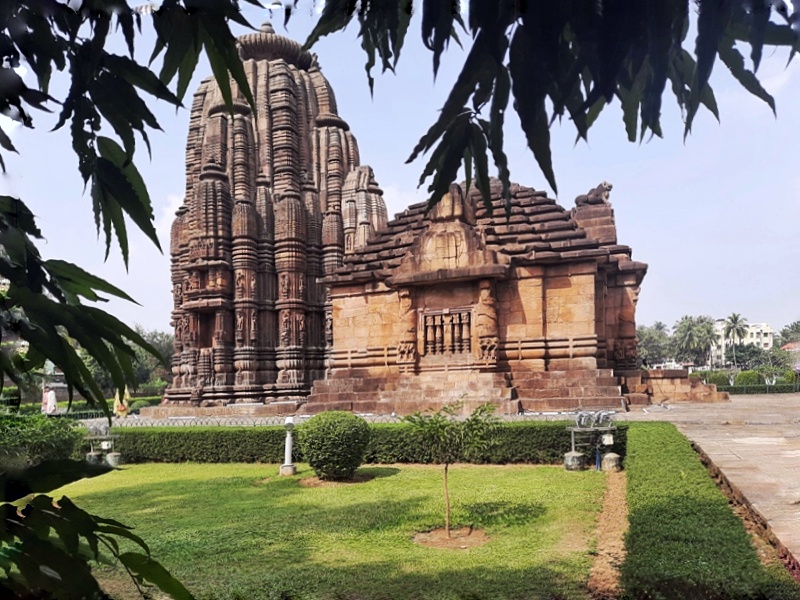
Raja Rani Temple of Bhubaneswar is located on Tankapani Road, precisely 300 metres northeast of Ravi Talkies square. Rajarani temple looks very inviting to any passerby. The beautiful temple is stationed at the southern end of a meticulously manicured park, which is laden with multiple flowering and ornamental plants.
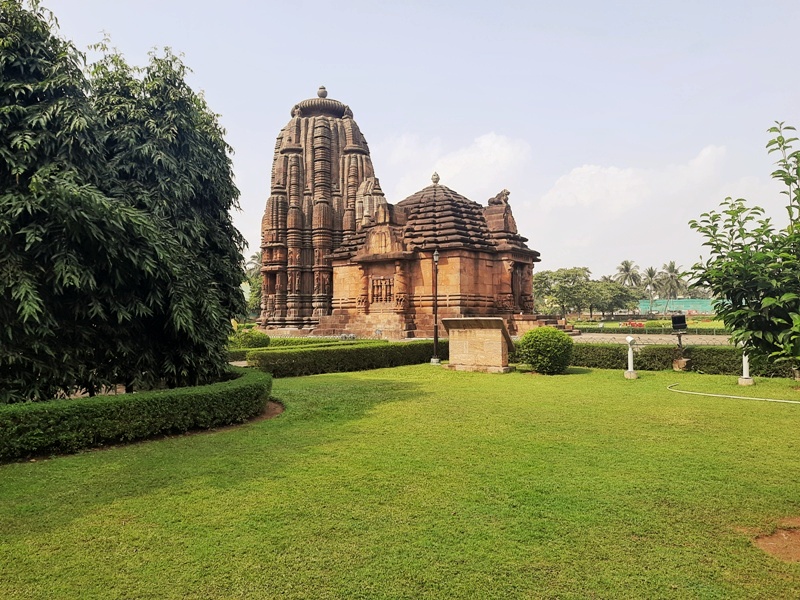

From the name it might seem like the temple is named after some King and Queen as that is the literal translation of the word Raja Rani. It is however the dull red and yellow sandstone, known locally as Rajarani, using which the temple is built, that the name is derived from.

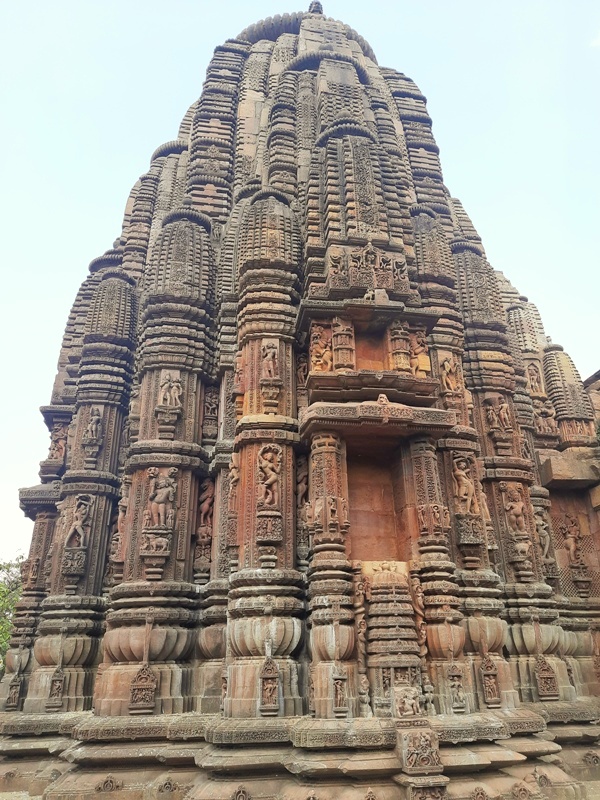
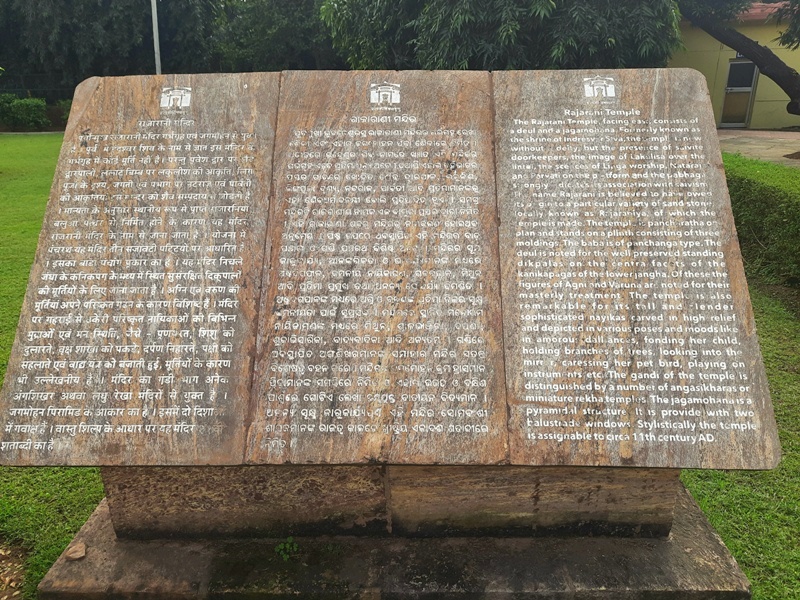

Raja Rani Temple possesses one of the most intricately sculpted temple facades in the city, which speaks volumes of its importance in ancient history. It however lied in obscurity for a very long time, even within the local community. One major reason for such an overlook was that there is no presiding deity within the temple, hence it was never considered as a pilgrimage site by anyone.
The prayer hall of the temple, also known as Jagmohana, was completely in ruins around the year 1903. Later on restoration work was carried out by the Archeological survey of India to get the structure back up. This is why most of the Jagmohana walls are eerily devoid of any sculpting.

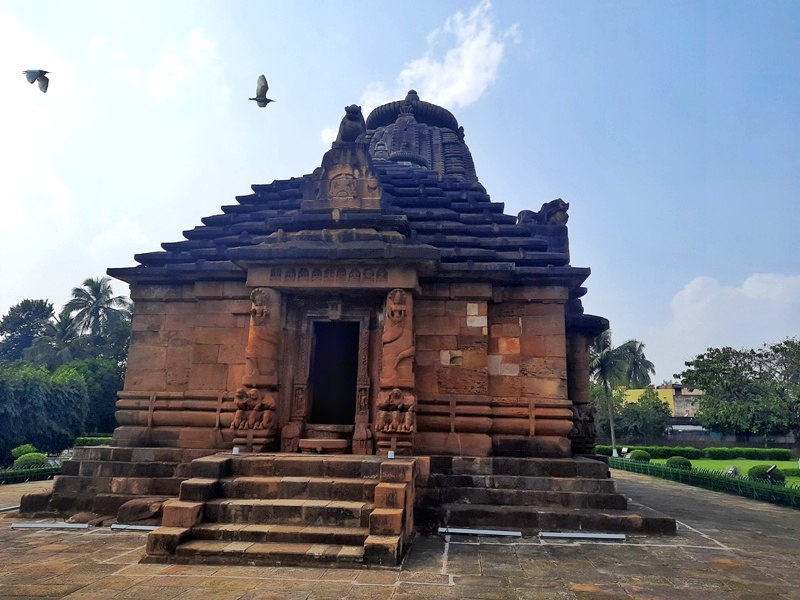
Though there are no records of when the temple was actually built, the architectural style leads historians to believe that Raja Rani Temple was made by Indravarman, the Somvansi king who ruled in the 11th century CE. It is also believed that in the old days Raja Rani Temple was known as Indreswar Temple, an abode of Lord Shiva.
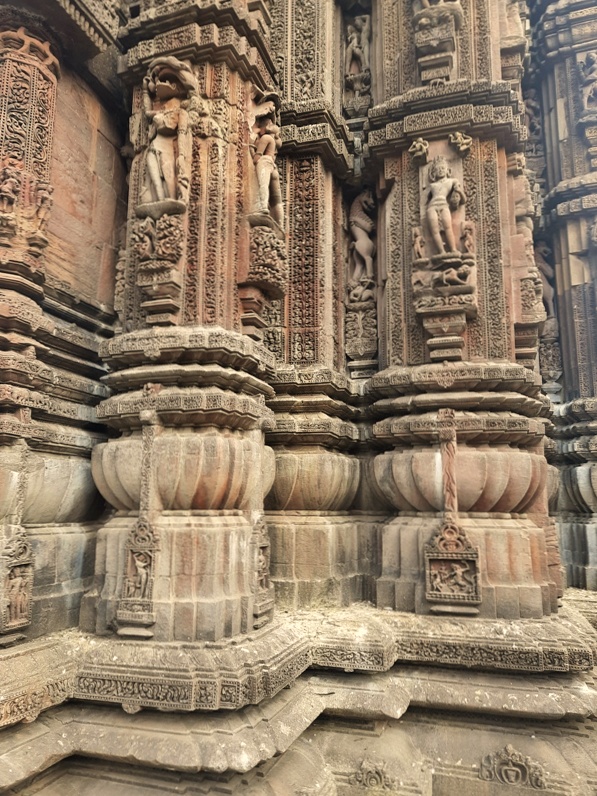


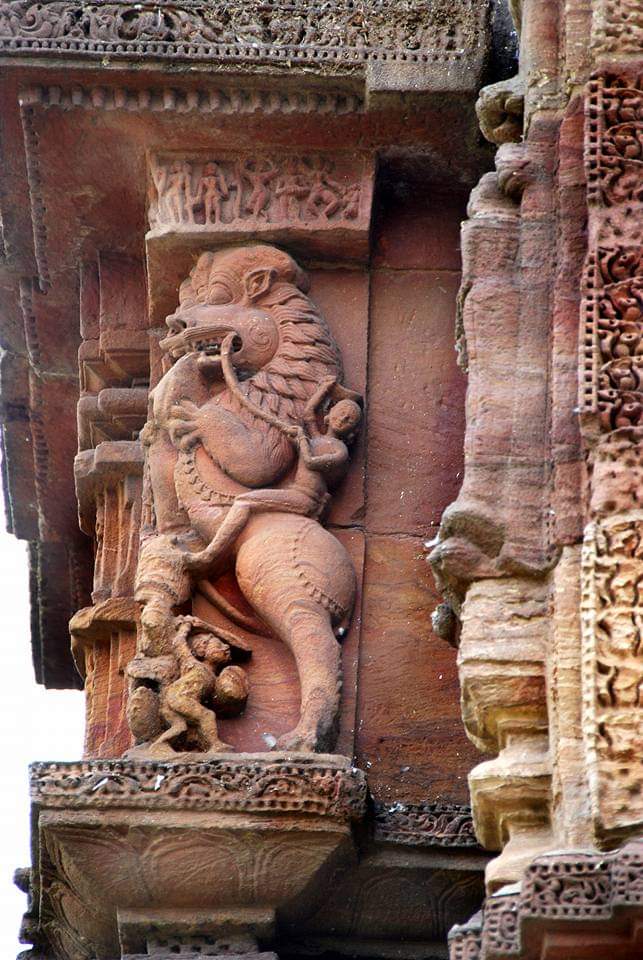

There are multiple intricately carved sculptures on the temple walls, including huge Naga and Nagin, who are Shiva doorkeepers on the entrance. There are sculptures on the walls of Shiva, Parvati, Varuna and Nataraj. There are tall, slender, sophisticated nayikas gracing the walls of the sanctum depicted in various roles and moods. For those who like to see sculptures, Raja Rani Temple is a jackpot for them.
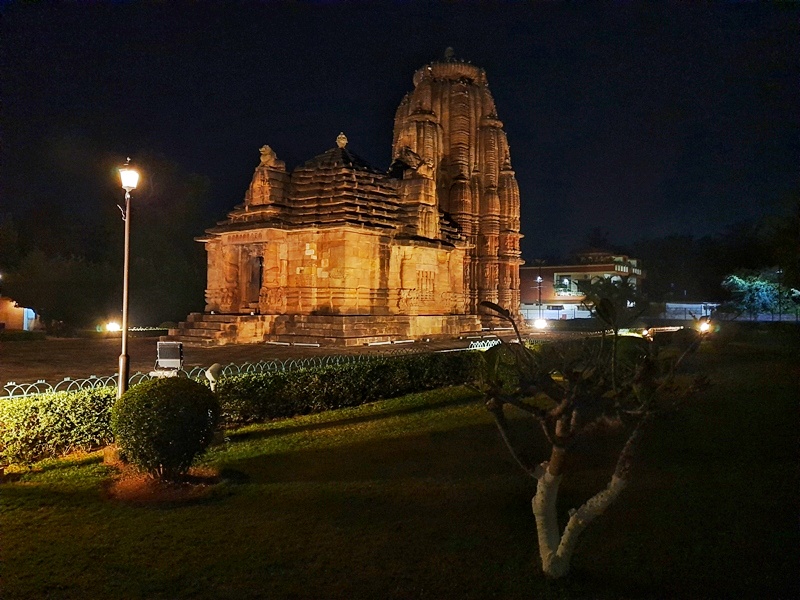
There is an entry fee for Raja Rani Temple. It is levied by the Archeological survey of India who manages the monument and the park surrounding it. The ticket price of Raja Rani Temple is Rs 50 for Indian Adults and Rs 250 for Foreign Nationals. Children below the age of 15 are granted free entry.
Bhaskareswar Temple
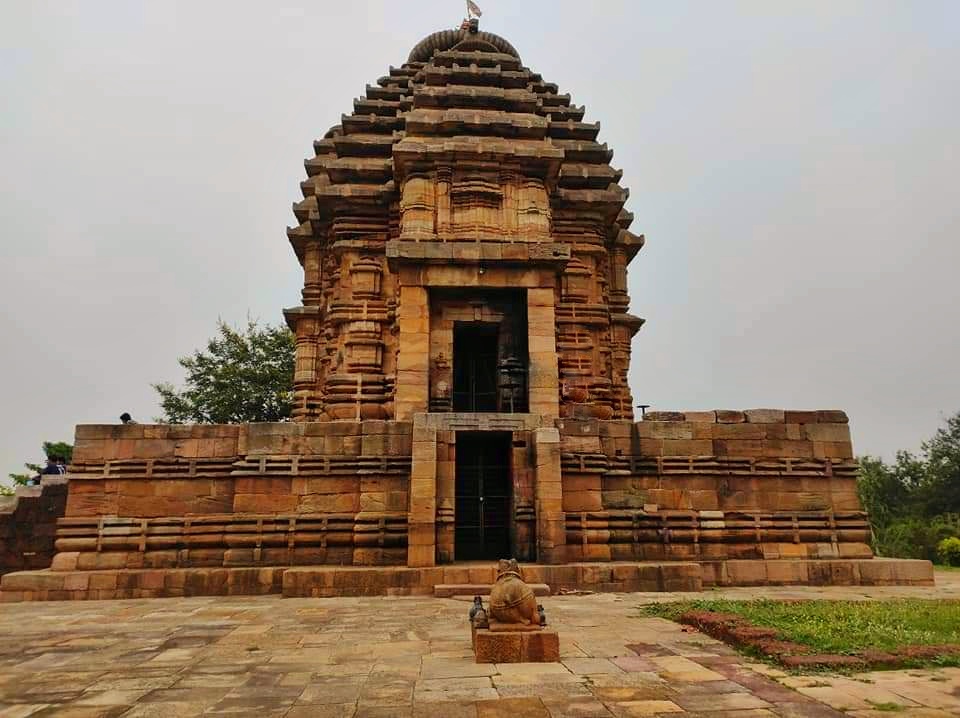
Located a KM away from Raja Rani Temple is another 10th century wonder, the Bhaskareswar Temple. From the looks of it the Temple does seem very similar to the many other temples in and around the old Town, but this temple hides something quite unique to itself inside its minimalistic walls.


There temple houses the largest Shiva Linga in the city, measuring around 12 ft tall.
There locals believe that the Linga was continuously growing and at sometime would have spelled doom for the region, until a saint came and through his prayers, stopped it. Since then the temple is a regular place of worship among the local populace. Historians however believe it’s a broken stump of an Ashokan pillar that was remodeled into a Linga in the 11th century.

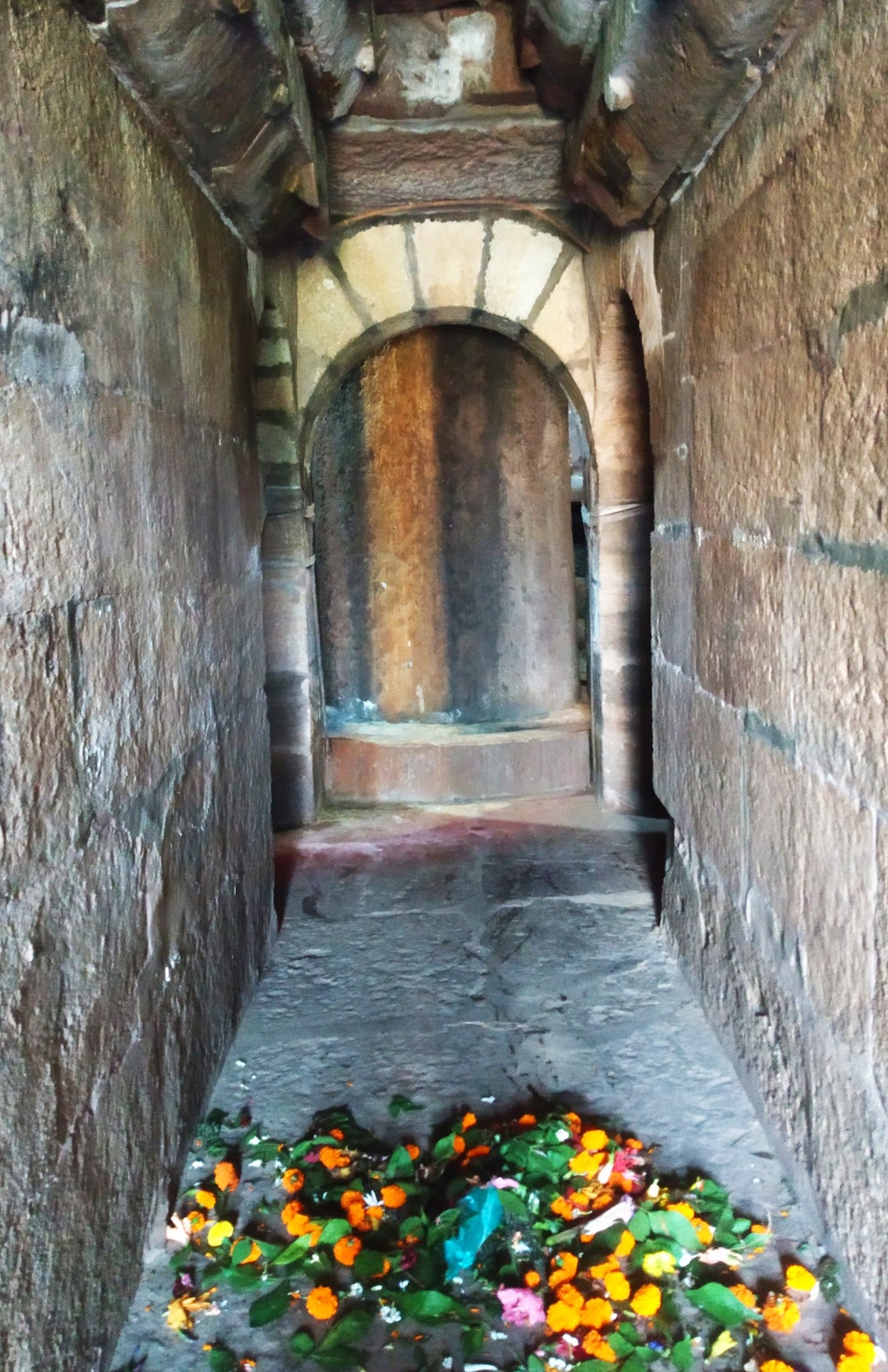
Whatever might be the origin of the temple, it’s an undeniable fact that witnessing a 12 ft Linga is a unique experience in itself.
View complete post of Bhaskareswar temple here.
Brahmeswar Temple:
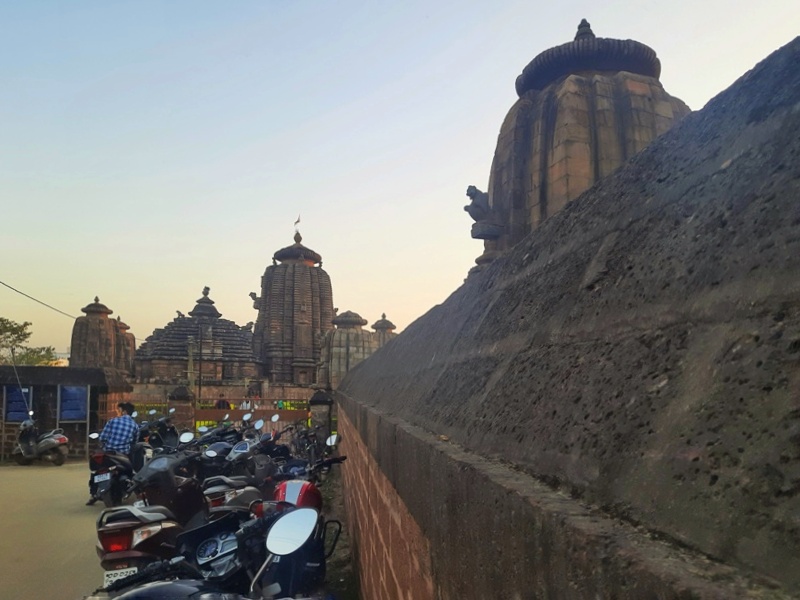
Located on the Southern side of Bhaskareswar Temple, lies Brahmeswar Temple, another beautiful temple complex, with superb sculptures and a pond. For me it is the most photogenic of the temple complexes found in Bhubaneswar.
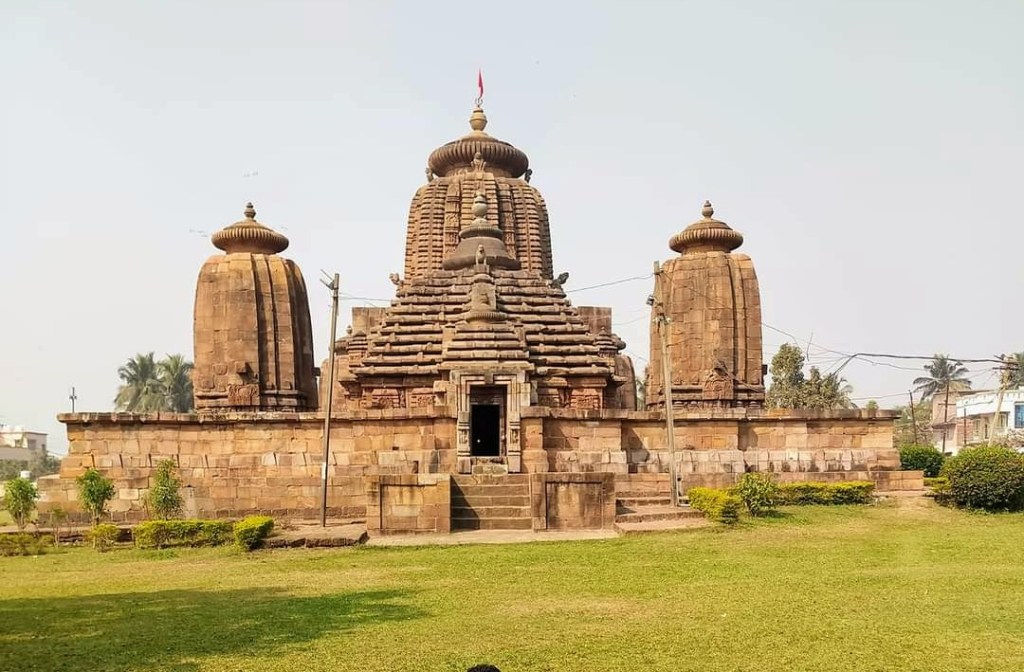
The Bramheswar temple of Bhubaneswar was built around 1058 CE, the temple complex consists of one principal temple with additional four corner shrines. This style is known as the panchayatana style of temple architecture and it is not very common in Odisha. A large square pond, which acts as a reservoir, is present immediately south of the compound.

This temple is quite popular among the locals, as a place of worship of Lord Shiva, who is the presiding deity here. This popularity and the fact this temple is quite recent in comparison to the other older temples, has ensured that the structure is still pretty much in pristine condition.
The history of Bramheswar temple is very clear as there was an inscription found in the vicinity of the temple that indicates that the temple was built by Kolavati Devi, the mother of Somvansi king Udyota Keshari.
Just like Raja Rani Temple, this temple has walls that are intricately carved and sculpted. Sculptures include saintly figures, carvings depicting dance and music, with some showcasing female musicians and family cultures of old times.


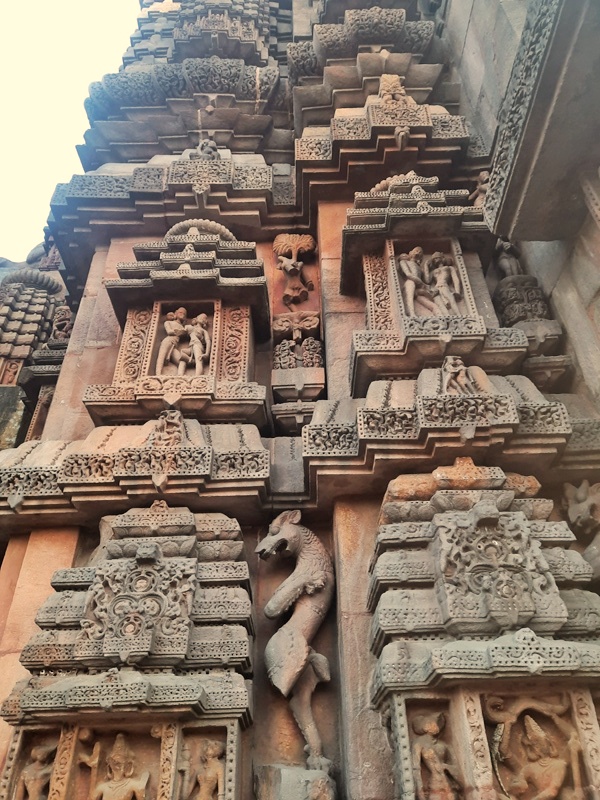

Guardian figures, called Kshetrapalas can be seen in the corner panels, guarding the eight directions of the sanctum. Various forms of Shiva are depicted on the sanctum walls as well. Carvings of animals can also been seen almost hidden in deep recesses.


Besides the sculptures this temple also hides something very unique within its walls. This is the first and only known temple in India to have incorporated iron beams for strengthening its walls. A visit to this temple is guaranteed to bring joy and elation to any tourist.
Timing of the temple is that it’s open for the whole day starting from 6 AM to 8 PM.
In Conclusion:
Due to their location in the east of Bhubaneswar old city and slightly removed from the central temples, Bhaskareswar, Raja Rani, and Brahmeswar appear to be infrequently visited aside from local devotees. This is a great shame as they do provide a great introduction to the variety of temples you will encounter in the city, and seeing these temples first really sets the scene for what is to come.

How to Reach
Bhubaneswar is well connected to the rest of India by Air, Rail and Road.
Biju Patnaik International Airport (BBI), in Bhubaneswar is frequented by flights from all major cities of India.
Bhubaneswar railway station is a major hub in the east coast rail route connected to all major states of India.
Bhubaneswar is situated on the Chennai Kolkata Highway, and has a very well connected bus network to Kolkata and Vishakapatnam.
Once in Bhubaneswar one can book an autorickshaw or cab to visit these temples.
Where to stay
Bhubaneswar being the capital of the state, have many budget and luxury accommodation options spread throughout the city which can be easily booked by all major hotel aggregators.

 East Indian Traveller